


Embracing the New Season: More Than Just Back to School
Every year, late summer slips quietly into fall. The calendar fills with school supply lists, changing schedules, and the first hints of cooler air. For many, this time signals the back-to-school rush. But even for those without kids heading back to the classroom, the shift is real. There’s something about this season—a pause after summer’s activity—that nudges us into a new routine.
The energy changes as vacations wind down and days grow shorter. After the hum of summer, now is a chance to catch your breath. This season invites everyone, not just parents, to pause and look ahead with fresh eyes. You may feel a quiet urge to shift gears, shake up habits, or go after fresh goals. Leaving behind the busyness of summer can bring a sense of space.
Starting a new routine doesn’t have to mean radical change. It can be as simple as waking up a few minutes earlier, trying a new recipe, or repurposing a corner of your home for quiet time. The key is to notice the rhythm change. Let yourself lean into it. Maybe you crave downtime after a packed summer, or maybe you’re itching for the structure school brings—even if no one at your house is loading up a backpack.
This transition offers more than a calendar change. It’s a reset for your mind and body. If you find yourself wanting clarity or a fresh start, now is the perfect time. Ask yourself: How could this season bring you the space you need?
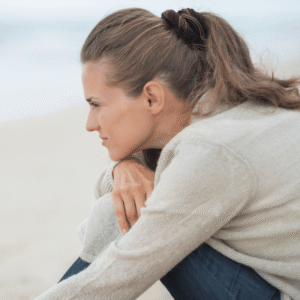
The Importance of Starting from a Place of Calm
Before making any plans or jumping into new routines, start from calm. It sounds simple, but our days often throw us straight into action. It’s easy to march from one task to the next without taking a moment to regroup. That quick pace might get things done, but it rarely leaves room for peace or clear thinking.
Building calm into your routine can slow the swirl. When you choose calm as your base, you cut out some noise and distractions that keep you from making better choices. Many find that taking a few minutes for quiet or breathing helps settle the mind, opening the way for real clarity.
Benefits of finding calm:
- Reduces stress and lowers anxiety
- Sharpens focus for better decision-making
- Supports overall emotional and physical health
- Makes it easier to handle changes in daily plans
- Strengthens resilience during tough seasons
Think about what happens when you run on autopilot, moving from one thing to the next. Without space to breathe and pause, tension builds. Your brain can get stuck on problems or frustration. Over time, the stress leaks into other areas, making friendly conversations almost nonexistent or shrinking your patience.
Our culture rewards busyness. But what if you challenged that? What if, instead, you chose calm first and then let your actions follow? Let your new routine start from a place of peace—not pressure. Even five minutes of calm in the morning can set up your whole day differently.
“You have to give yourself some space before you can see what’s next.”
Start your week by asking: What would change if I began by relaxing?

Reflecting on Relaxation: What Does It Really Feel Like?
It’s easy to say, “I need to relax.” But do you know what relaxation feels like for you? Many adults find this question hard to answer. Most of us can name stress quickly, but the last real moment of calm or pure relaxation? That’s tougher.
What does it feel like for you to relax? Maybe your shoulders drop. Your breathing gets slower. Your stomach unknots, and your thoughts slow down. These moments are different for everyone, but the effect is always softer and gentler.
When was the last time you genuinely felt relaxed? Think about that moment. Was it during a quiet walk, after finishing a good book, or in the middle of a favorite hobby? Pinpointing these pockets of peace can help you repeat them.
If you struggle to recall, that’s okay. Try this:
- Take five minutes each night to jot down anything that felt calming in your day.
- Look for patterns or triggers in your journal entries.
- Note what activities, people, or places seem to help you settle.
Recognizing relaxation is important for well-being. When you know what calm feels like, you can work to find it again. You can also notice faster when it’s missing.
Quote to remember: “It all starts with knowing what relaxed feels like before you can return to it.”
Understanding the Opposite: Recognizing When We’re Not Relaxed
Awareness is powerful. Sometimes, to understand how important this space is, you must notice its absence. Stress shows up in our bodies and minds as tension, restlessness, or even physical pain.
If you can’t remember the last time you felt relaxed, think instead about stress. When did you last feel tense or overwhelmed? These signs might not be dramatic, but they are clues your mind and body need a break.
Common signs you’re not relaxed:
- Racing thoughts that won’t slow down
- Tight shoulders, clenched jaw, or a stiff neck
- Short temper or irritability with others
- Feeling restless or unable to sit still
- Trouble falling or staying asleep
- Rushing from one task to the next, even when you don’t need to
- Distractibility or trouble focusing
Noticing these feelings doesn’t mean you’ve failed. It’s an invitation. By paying attention, you give yourself the chance to choose a different way. Sometimes, naming the problem is the first and most important step toward change.
Try checking in with yourself. When you spot these signals, don’t power through. Instead, take a pause. Even just standing up, looking out a window, or taking a few deep breaths can help.
Understanding your own symptoms of stress can help you respond with more kindness and patience. Over time, this awareness builds a natural path back to calm.

Practical Steps to Transition into a New Routine with Peace
Moving from a busy summer into a calm fall doesn’t have to be complicated. Small, regular actions make a bigger impact than sweeping changes. Think simple, repeatable, and kind.
“Start where you are, and let peace set your next step.”
To help yourself move into a clearer, calmer routine, try the following steps:
Step-by-Step Guide for a Peaceful Transition
- Pause first
Each morning, take three to five deep breaths before anything else. - Notice your needs
Ask yourself: What would feel peaceful or inspire moments of calm today? Listen to the answer. - Plan with intention
Pick only one or two important things to focus on each day. Don’t overload. - Find pockets of rest
Schedule short periods (even 5 minutes) where you put away screens and sit quietly. - Get moving
Walk, stretch, or simply change your scenery midday. Gentle movement supports relaxation and focus. - Practice self-compassion
If your routine falls apart, don’t judge. Recognize the setback and reset tomorrow. - Celebrate wins
Notice and savor small moments of calm or success, no matter how tiny.
These steps can help you move through the start of a new season without feeling rushed or scattered. If it helps, write your own version of these steps and keep it somewhere you’ll see it each day.
Flexibility is key. Some days will go smoothly, others will not. The goal is not perfection, but more peace.
Reflective Prompts to Guide Your Transition
- Are you taking space to relax?
- What signals tell you it’s time to pause?
- How can you build calm into your everyday routine?
Keep these questions handy. Write them on a sticky note or in a journal. Refer to them as a gentle nudge toward more awareness and ease in your days.
Key Insights and Takeaways
- A new routine signals a chance for a personal reset. You don’t need school-age kids to benefit from this kind of shift.
- Calm is the best starting place. Planning actions is more clear and less overwhelming when grounded in peace.
- Identifying both relaxation and its opposite builds self-awareness. Know what both feel like in your own life.
- Simple steps make a difference. Pausing before acting, noticing tension, and allowing rest helps ease transitions.
- Self-compassion and flexibility matter. Not every day will be perfect, but each day can offer an opportunity for calm.
Resources
For further reading on calm routines and self-reflection, consider:
- “Atomic Habits” by James Clear (for building small habits)
- The Calm app or Headspace (for guided mindfulness practices)
- Guided journaling tools or blank notebooks
Action Steps
- Start your day with three to five slow breaths.
- Plan for one or two key tasks instead of filling your agenda.
- Use a journal to track small moments of peace or tension.
- Give yourself permission to pause, even for a minute.
- Check in regularly with the reflective prompts listed above.
Conclusion: Creating Space for Calm and Clarity
The start of a new season is a natural point for reflection. Take this opportunity, whether your life follows the school-year rhythm or not. Let calm be your foundation, even as things get busy again. Recognize both relaxation and stress and trust yourself to respond with care. Use simple steps and forgiving routines to shift into the fall with greater clarity.
Keep the helpful questions close to you. Let them nudge you toward more peace, clarity, and, above all, kindness to yourself in the weeks ahead.
Your new routine begins with one moment of calm. Make space for it—you deserve the reset.
What does calm look like for you in this season of life? And what’s one small change you could make this week to create more of it?
If you’re ready to start building more space for peace—without waiting for “perfect” conditions—listen to this week’s To Help You Heal episode: Making Space. We’ll walk through practical ways to find your own pockets of calm and set the stage for what’s next.